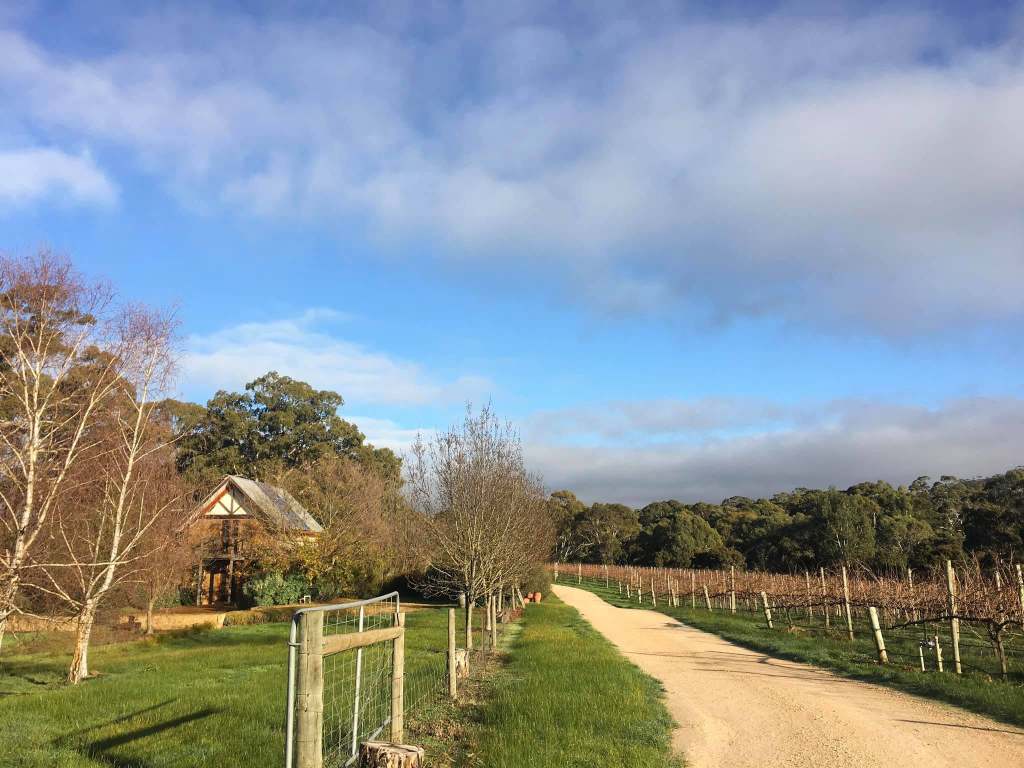
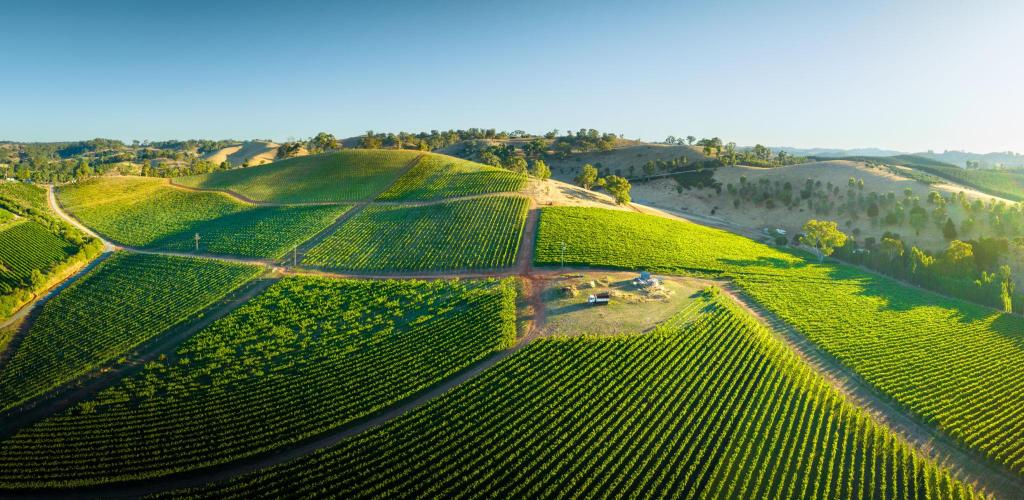
The Adelaide Hills is one of Australia’s most picturesque and distinctive wine regions, celebrated for its cool-climate wines, rolling vineyards and charming country landscapes. Located just east of Adelaide in South Australia, the region has developed a wine culture that combines European winemaking traditions with innovation, sustainability and a strong connection to the land.
Today, the Adelaide Hills is recognised for producing elegant Sauvignon Blanc, Chardonnay, Pinot Noir and sparkling wines. However, its reputation as a leading wine destination has been shaped by generations of pioneering growers, changing winemaking techniques and a renewed appreciation for cool-climate viticulture.
The story of wine in the Adelaide Hills is one of heritage, resilience and reinvention, making it an especially fascinating region for wine lovers to explore.
The Early Beginnings of Winemaking
The history of wine in the Adelaide Hills dates back to the early years of European settlement in South Australia during the 1830s. German and British settlers brought with them agricultural knowledge, European winemaking traditions and a desire to establish vineyards in their new surroundings.
One of the region’s most important early wine pioneers was Johann Gramp, a German immigrant who established a vineyard at Jacob’s Creek in 1847. Although the vineyard was located outside the Adelaide Hills, it helped establish South Australia’s wider reputation as a wine-producing state.
Within the Adelaide Hills itself, early European settlers recognised the area’s cooler temperatures, elevated landscapes and fertile soils as promising conditions for growing grapes. Small vineyards and orchards began appearing throughout communities such as Hahndorf, Lenswood and Mount Barker.
During this period, winemaking was largely a small-scale agricultural activity, with families producing wine for local consumption and gradually developing commercial operations.
The Decline of Early Vineyards
Despite its promising beginnings, the Adelaide Hills wine industry experienced a significant decline towards the end of the nineteenth century and into the early twentieth century.
Several challenges contributed to this downturn. Vineyard owners faced financial difficulties, rising production costs and agricultural setbacks. The spread of powdery mildew, a fungal disease that damaged grapevines, also placed considerable pressure on early growers.
Changes in export markets further affected the profitability of local wine production. As a result, many vineyards became unviable, and by the 1930s, most of the region’s early commercial vineyards had disappeared.
For several decades, the land returned to other agricultural uses, including dairy farming, sheep and cattle grazing, orchards and vegetable growing.
Although winemaking had largely disappeared, the Adelaide Hills retained the natural characteristics that would eventually make it one of Australia’s most respected cool-climate wine regions. South Australia.+2
The Revival of Adelaide Hills Wine Culture
The 1970s marked a turning point for the Adelaide Hills. A new generation of winemakers began recognising the region’s potential, particularly its cooler temperatures, higher elevations and varied vineyard sites.
One of the important early developments came in 1971 when Leigh and Jan Verrall planted a vineyard at Glenara in Upper Hermitage. Their work helped inspire renewed interest in commercial viticulture throughout the region.
Another influential figure was Brian Croser, who founded Petaluma in 1976. Croser recognised that the Adelaide Hills could produce exceptional wines from grape varieties that benefited from cooler growing conditions. His vision helped establish the region’s modern identity, particularly through Chardonnay, Pinot Noir and sparkling wine production.
Other pioneers, including Stephen George of Ashton Hills, Geoff Weaver, Tim Knappstein, Stephen and Prue Henschke, and Michael Hill Smith and Martin Shaw, also played important roles in rebuilding the region’s wine industry.
Their efforts introduced new vineyard practices, innovative winemaking techniques and a greater focus on expressing the character of individual vineyard sites.
This revival transformed the Adelaide Hills from an area with a forgotten winemaking past into one of Australia’s most exciting destinations for premium cool-climate wines. wineaustralia.com+2
The Establishment of the Adelaide Hills Wine Region
As vineyards expanded and more producers established themselves, the Adelaide Hills gradually gained recognition as a distinct wine-producing region.
An important milestone arrived in 1998 when Adelaide Hills was officially recognised as a Geographical Indication (GI). This formal recognition helped establish the region’s identity and distinguish its wines within Australia’s broader wine industry.
The region stretches across the Mount Lofty Ranges, with vineyards occupying different elevations, slopes and microclimates. These variations allow winemakers to experiment with grape varieties and develop distinctive wine styles.
Smaller recognised subregions, including Lenswood and Piccadilly Valley, further highlight the diversity of the Adelaide Hills. Each offers different growing conditions that influence the character, flavour and structure of the wines produced.
This geographical diversity has become one of the region’s greatest strengths, encouraging winemakers to focus on vineyard expression rather than relying on a single regional style. South Australia.+2
The Evolution of Adelaide Hills Wine Styles
As the region’s wine industry developed, its producers became increasingly recognised for wines that reflect the freshness and elegance of cool-climate winemaking.
Unlike warmer Australian wine regions that often produce fuller-bodied styles, the Adelaide Hills is particularly suited to varieties that benefit from a longer, cooler growing season.
Some of the region’s most celebrated wine styles include:
- Sauvignon Blanc: Known for its refreshing acidity, vibrant citrus, tropical fruit and delicate herbal characteristics.
- Chardonnay: Often displaying citrus, stone fruit, natural acidity and complexity, with some wines benefiting from oak maturation.
- Pinot Noir: A popular cool-climate red, appreciated for its delicate structure, red berry flavours and elegant tannins.
- Sparkling Wine: The region’s cooler conditions provide excellent opportunities for producing refined sparkling wines, particularly from Chardonnay and Pinot Noir.
- Shiraz: Adelaide Hills Shiraz offers a more restrained and elegant expression, often featuring bright fruit, spice and balanced structure.
Over time, these varieties have helped establish the Adelaide Hills as a destination for wine enthusiasts seeking something different from the traditional Australian wine experience. Wine Australia+1
The Adelaide Hills Today: A Thriving Wine Destination
Today, the Adelaide Hills is one of Australia’s most recognised cool-climate wine destinations. Its wine culture is built around a combination of established producers, boutique wineries, family-owned vineyards and innovative winemakers.
The region has also developed a strong tourism identity, attracting visitors who want to experience more than just wine tasting. Its cellar doors offer opportunities to discover local wine stories, enjoy food pairings, meet winemakers and take in the beautiful countryside.
Producers such as Shaw + Smith , Petaluma, Ashton Hills Vineyard and The Lane Vineyard have helped shape the region’s reputation through their distinctive approaches to winemaking.
There is also a growing appreciation for alternative grape varieties and experimental wine styles, reflecting the creativity and independence of the region’s smaller producers.
Beyond the vineyards, the Adelaide Hills offers charming villages, seasonal produce, local restaurants and scenic country roads, making it an appealing destination for visitors exploring South Australia’s wine country.
The Role of Wine Tourism in Preserving the Region’s Heritage
Wine tourism has become an important part of preserving and celebrating the Adelaide Hills’ winemaking heritage. Visitors can experience the region’s history through its historic vineyards, traditional cellar doors and modern tasting experiences.
Many wineries take pride in sharing the stories behind their vineyards, explaining how the region’s geography influences their wines and introducing visitors to the people responsible for producing them.
Food has also become an important part of the experience. Local restaurants, winery cafés and farm-to-table dining venues showcase South Australia’s seasonal produce alongside the region’s wines.
For visitors, exploring the Adelaide Hills offers an opportunity to appreciate how generations of growers and winemakers have shaped the region. It is a place where traditional winemaking values meet contemporary creativity, creating an experience that extends well beyond the tasting glass.
Discover the Rich Wine Heritage of the Adelaide Hills
The Adelaide Hills has a fascinating wine history shaped by early European settlers, pioneering growers, decades of agricultural change and the determination of modern winemakers.
From its nineteenth-century vineyard beginnings to its revival during the 1970s and 1980s, the region has continually reinvented itself while maintaining a strong connection to its agricultural heritage.
Today, its cool-climate wines, welcoming cellar doors and beautiful landscapes make it one of South Australia’s most rewarding wine destinations.
Whether you are a passionate wine enthusiast or simply looking for a memorable day in the countryside, exploring the Adelaide Hills offers the perfect opportunity to discover Australia’s rich winemaking traditions, one glass at a time.